Ayurvedic Pathways to Seasonal Comfort: Nurturing Respiratory Resilience
⏱ 14 min read·Updated Aug 2026·0% read

Introduction
Ayurveda approaches seasonal environmental sensitivities, often experienced as respiratory discomfort, by addressing underlying doshic imbalances, particularly the aggravation of Kapha and Vata, and the weakening of Agni (digestive fire). This ancient Indian system of medicine, rooted in classical texts like the Charaka Samhita and Sushruta Samhita, identifies these seasonal shifts as periods when the body's internal harmony can be disturbed, leading to a heightened response to external triggers. By focusing on traditional practices and herbal support, Ayurveda aims to foster comfortable breathing and a balanced immune response, rather than merely addressing symptoms.
Key Benefits
- Supports clear respiratory passages: Traditional Ayurvedic practices, such as Nasya therapy, are valued for helping to cleanse and lubricate the nasal passages, which may help support comfortable breathing, especially during seasonal transitions. This can be particularly beneficial when environmental factors lead to feelings of congestion or dryness in the nasal channels.
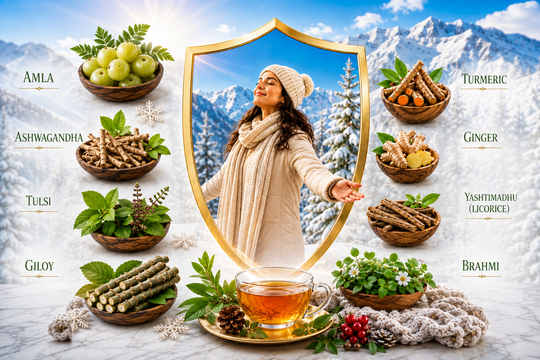
- Promotes a balanced inflammatory response: Herbs like Turmeric (Haridra) and Ginger (Shunthi) are traditionally recognized in Ayurveda for their properties that may help support the body's natural inflammatory response. This traditional use is aimed at maintaining comfort in the respiratory tract.
- Strengthens natural immunity: Ayurvedic principles emphasize strengthening Ojas (vitality) and Agni to support the body's inherent capacity to defend against environmental challenges. Herbs such as Tulsi (Holy Basil) and Guduchi (Giloy) are traditionally associated with immune support, contributing to overall resilience.
- Balances aggravated doshas: Seasonal changes can lead to an increase in Kapha and Vata doshas, which are often implicated in respiratory discomfort. Ayurvedic remedies and lifestyle adjustments traditionally aim to pacify these doshas, thereby supporting overall physiological balance.
The Ayurvedic Perspective
Seasonal environmental sensitivities are primarily understood in Ayurveda as a manifestation of aggravated Kapha and Vata doshas, often compounded by diminished Agni (digestive fire) and the accumulation of Ama (toxins) in the body's channels (srotas). During the transition from winter to spring, for instance, accumulated Kapha, which is heavy and cold, begins to liquefy with the warming weather, potentially leading to congestion and sluggishness. Similarly, dry and windy conditions, often associated with Vata aggravation, can lead to dryness and irritation in the respiratory passages.
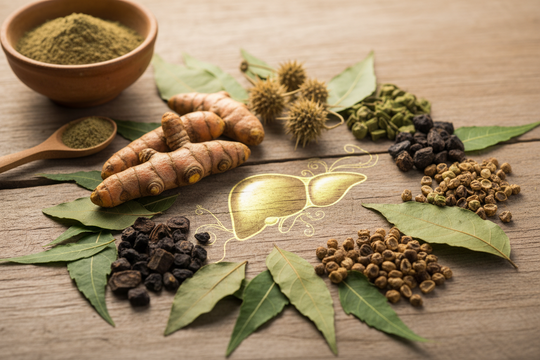
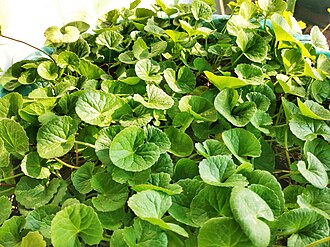
To address these imbalances, Ayurveda leverages herbs and practices with specific properties. For instance, pungent (katu) and bitter (tikta) tasting herbs are often employed to pacify Kapha, while warming (ushna virya) and nourishing herbs help balance Vata. The Charaka Samhita and Sushruta Samhita frequently describe treatments for various respiratory conditions (kasa, shwasa) that align with these principles. Key herbs traditionally used for respiratory support include Tulsi (Ocimum sanctum), with its pungent rasa, heating virya, and light, dry gunas, which helps clear Kapha and Vata. Pippali (Piper longum) is another potent herb, characterized by its pungent rasa, heating virya, and pungent vipaka, making it effective in drying excess moisture and supporting respiratory health. Ginger (Zingiber officinale), with its pungent rasa, heating virya, and pungent vipaka, is traditionally valued for rekindling Agni and supporting clear breathing. These herbs are often taken with traditional anupanas such as warm water or honey to enhance their efficacy and aid in the removal of Ama.
How to Use
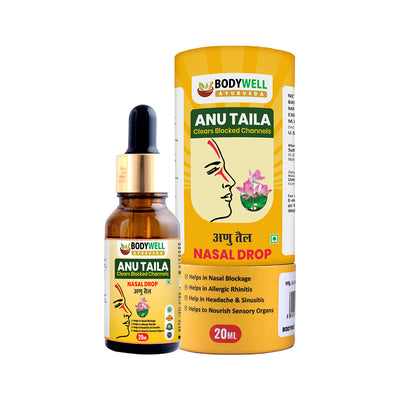
For supporting respiratory comfort during seasonal changes, a traditional Ayurvedic approach often involves Nasya therapy using Anu Taila. This medicated oil, typically administered nasally, is traditionally used to cleanse the nasal passages, lubricate the mucous membranes, and create a protective barrier against environmental irritants.
The recommended method is to instill 2-3 drops of slightly warmed Anu Taila into each nostril, preferably in the morning after brushing teeth and before showering. Lie down with your head tilted back, place the drops, and inhale gently. This practice helps to balance Vata and Kapha in the head region. For internal support, a decoction (kadha) of Tulsi, Ginger, and Pippali can be prepared by boiling 5-6 fresh Tulsi leaves, 1/2 inch of grated fresh ginger, and 2-3 whole Pippali fruits in 1 cup of water until it reduces to half. Strain and consume warm, optionally with 1 teaspoon of honey, once or twice daily. Pregnant women, individuals with ongoing medical conditions, or those taking prescription medications should consult a qualified Ayurvedic practitioner or a registered doctor before incorporating these practices.
FAQs
Q: What is the Ayurvedic understanding of why seasonal sensitivities occur?
A: In Ayurveda, seasonal sensitivities are primarily linked to an imbalance of Kapha and Vata doshas and the accumulation of Ama (toxins) due to weakened Agni (digestive fire). These imbalances make the body more susceptible to environmental triggers during seasonal transitions.
Q: Can Ayurvedic practices be used alongside modern medicine for seasonal discomfort?
A: Yes, Ayurveda can serve as a complementary approach to professional medical care. It offers traditional methods to support overall well-being and respiratory comfort, which can be integrated under the guidance of a qualified Ayurvedic practitioner or a registered doctor, especially if you have underlying health conditions or are on medication.
Q: Which Ayurvedic herbs are commonly used to support respiratory health during seasonal changes?
A: Herbs such as Tulsi, Ginger, and Pippali are traditionally valued in Ayurveda for their properties that may help support clear respiratory passages and a balanced immune response. These herbs are often used in decoctions or as part of classical formulations.
Q: How does Nasya therapy help with seasonal respiratory challenges?
A: Nasya therapy, particularly with Anu Taila, is traditionally used to lubricate and cleanse the nasal passages, helping to remove accumulated impurities and create a protective barrier. This practice is believed to support comfortable breathing and enhance the function of the sensory organs in the head region.
Q: What dietary changes does Ayurveda recommend for managing seasonal sensitivities?
A: Ayurveda suggests favoring warm, freshly cooked meals, and incorporating pungent and bitter spices like turmeric, ginger, cumin, and black pepper to stimulate Agni and reduce Kapha. Avoiding cold, heavy, and mucus-forming foods like dairy and refined sugars is also generally advised during high-allergy seasons.